 Memory Tickets
Christmas markets
Christmas markets in Europe: a first-timer's plan
Plan your first European Christmas market trip: 2026 dates and hours from official sites, a five-day route, EES and ETIAS, cash, and the mug deposit.
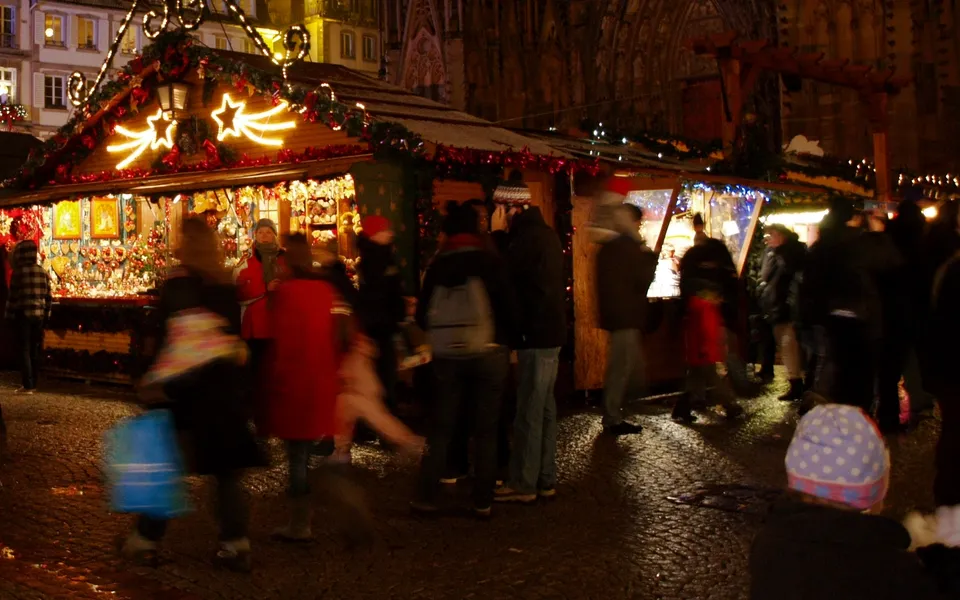
For a first trip to Europe's Christmas markets, pick two or three cities whose confirmed dates overlap and give each one at least a full day. For 2026, Nuremberg, Vienna, Dresden, Salzburg, Cologne, Prague and Budapest have published dates on official sites; Strasbourg hasn't announced its 2026 dates yet.
Start from the official dates below, then fit flights and trains around them. Hotel pages often make a city sound festive through New Year's, but the stalls in Cologne close on December 23, and those in Nuremberg and Dresden at 2 p.m. on Christmas Eve.
Which European Christmas markets have confirmed 2026 dates?
All hours are local, and every date below was checked on the market's, city's or tourist board's own site on October 4, 2026. Where a city has several markets, the entry names the one the hours belong to.
- Nuremberg, Germany — Christkindlesmarkt: November 27–December 24. Open daily 10 a.m.–9 p.m.; December 24, 10 a.m.–2 p.m. The opening ceremony is November 27 at 5:30 p.m. Official Nuremberg Christkindlesmarkt page.
- Vienna, Austria — Rathausplatz: November 13–December 26. Open daily 10 a.m.–10 p.m.; December 24, 10 a.m.–6:30 p.m. Open December 25 and 26 at the regular hours. Official Vienna Tourist Board market list.
- Dresden, Germany — Striezelmarkt: November 25–December 24. Opening day 4–9 p.m.; then daily 10 a.m.–9 p.m.; December 24, 10 a.m.–2 p.m. Official Striezelmarkt page.
- Salzburg, Austria — Domplatz and Residenzplatz: November 19–January 1. Monday–Thursday 10 a.m.–8:30 p.m.; Friday 10 a.m.–9 p.m.; Saturday 9 a.m.–9 p.m.; Sunday and public holidays 9 a.m.–8:30 p.m. December 24, 9 a.m.–3 p.m.; December 25–26 and January 1, 11 a.m.–6 p.m. On December 31, merchandise stalls stay open until at least 6 p.m. and selected food stalls until 1 a.m. Official Salzburg Christkindlmarkt page.
- Cologne, Germany — Christmas Market at Cologne Cathedral: November 16–December 23. Sunday–Wednesday 11 a.m.–9 p.m.; Thursday–Friday 11 a.m.–10 p.m.; Saturday 10 a.m.–10 p.m. Closed Sunday, November 22. Official market organizer's page.
- Prague, Czechia — Old Town Square: November 28–January 6, daily 10 a.m.–10 p.m. The Wenceslas Square market keeps the same dates and hours. Official Prague City Tourism page and the organizer's page.
- Budapest, Hungary — Advent Basilica: November 13–January 1. Monday–Thursday and Sunday 11 a.m.–10 p.m.; Friday–Saturday 11 a.m.–11 p.m. December 24, 11 a.m.–3 p.m.; December 25–26, 11 a.m.–8 p.m.; December 31, 11 a.m.–3 a.m.; January 1, 11 a.m.–6 p.m. Official Advent Basilica opening-hours page.
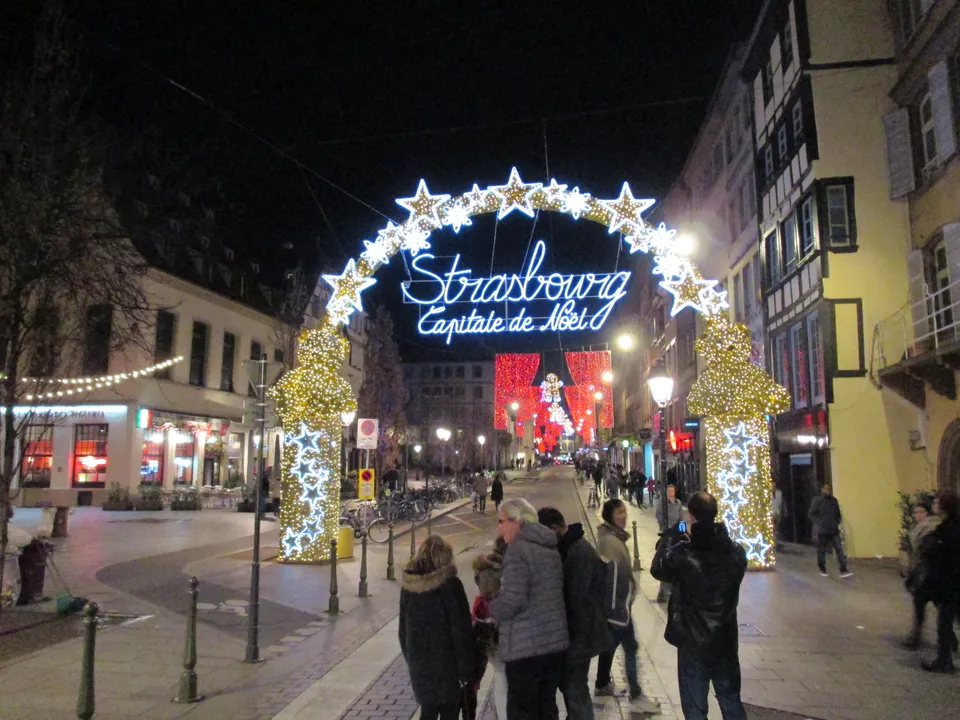
- Strasbourg, France — city-center markets: 2026 dates not announced yet. The city's Christmas site still labels the official dates and program as being finalized. Watch the official Strasbourg Christmas site rather than dates copied onto hotel or tour pages.
Bookmark the links for the cities you choose and open them again before you buy anything nonrefundable. Schedules can change after this guide's check date, especially around public holidays.
When do Christmas markets in Europe open, and are they open on Christmas Day?
The confirmed markets on this list open between November 13 and November 28. The holidays split them into groups, and that split should shape the trip before any "best of" ranking does:
- All seven open at once: November 28–December 23. This is the widest choice.
- Done by Christmas Eve: Cologne closes December 23; Nuremberg and Dresden close at 2 p.m. on December 24.
- Open on Christmas Day: Vienna's Rathausplatz (regular hours), Salzburg (11 a.m.–6 p.m.), Prague (daily hours) and Budapest's Advent Basilica (11 a.m.–8 p.m.).
- Open into the new year: Salzburg and Budapest through January 1, Prague through January 6.
For travel over December 24–26, pick from the last two groups, then check restaurants and transit separately, because many close or cut their hours. If the trip ends before Christmas, every market on the list is open to you.
Don't make arrival evening your only market visit. A delayed flight, an early holiday closing or plain jet lag can wipe it out. Put one full market day in the middle of each stay.
Which Christmas market is best for a first trip?
The best one is the one that's open on your dates and fits your route:
- Nuremberg or Dresden if a traditional German market is the main reason for the trip and you're done by December 24.
- Vienna if one hotel in one city with several separately scheduled markets sounds better than packing up every night. The official Vienna list lets you compare Rathausplatz, Schönbrunn, Freyung and others before you choose a neighborhood.
- Salzburg if the trip continues after Christmas, or if pairing two Austrian cities by train is easier than adding another flight.
- Prague or Budapest if you need a market that runs into January. These cities use the Czech koruna and the Hungarian forint, so don't plan your cash in euros.
- Cologne for an early-season German stop that ends December 23, especially if the cathedral market's later Thursday–Saturday evenings fit your schedule.
- Strasbourg only after the city publishes its 2026 dates.
Start with two cities. Add a third only if the train between them is short enough to leave you most of an afternoon.
What should Americans know about EES and ETIAS in 2026?
As of October 4, 2026, the two systems are at different stages:
- EES is running. The European Commission says the Entry/Exit System became fully operational on April 10, 2026. It registers non-EU nationals on short stays, Americans included: passport data, fingerprints, a facial image, and the date and place of entry and exit. Expect it at the first Schengen airport you land in, and allow extra time there.
- ETIAS isn't running yet. The European Commission says ETIAS is scheduled to start in the last quarter of 2026 and that the exact date will be announced officially; as of October 4, 2026, the official ETIAS site has not published one. No action is required from travelers yet, so don't pay a third-party site for an "ETIAS application" while the EU isn't taking any.
EES happens at the border; ETIAS will be something you apply for before you fly. A train from Germany to Austria isn't a new entry into the Schengen area, so the registration happens once, when you arrive from the US. Still keep your passport on you, not in the checked bag, for every border-crossing train: the European Commission confirms that Schengen countries can temporarily bring back checks at internal borders.
Do you need cash at European Christmas markets?
Bring one physical card and some local cash, then read the sign at each stall before ordering. The official pages show why there's no single answer:
- Nuremberg's official Christkindlesmarkt payment page lists cash and cards, but its taler sale details are dated 2025. Treat both the taler and the listed payment methods as last season's information until the organizer updates the page for 2026.
- Budapest's Advent Basilica takes cards and cash, but cash for food and drink first goes onto a refundable HelloPay card; craft vendors take cash directly. The details are on the market's official exhibitor page.
The European Commission's list of euro countries includes Germany, Austria and France; the EU country profiles confirm the Czech koruna in Czechia and the Hungarian forint in Hungary. Withdraw a modest amount after you land and keep small bills apart from your main wallet. When a card terminal offers to charge you in dollars, choose the vendor's currency instead.
Can you keep the Christmas market mug?
At many markets, drinks come in a cup with a deposit, and each market sets its own rules. Strasbourg's current official FAQ lists a €1 cup deposit, refundable at any drink chalet or donatable to charity, but the page doesn't identify a season and the 2026 program is still being finalized. Confirm the amount before relying on it. Elsewhere, ask at the stall whether you can keep the mug, and where to return it if not, before you walk off with it.
If a stall sells a dated mug to keep, let it be the trip's one bulky souvenir. Otherwise, return the cup and keep the photo.
How can you visit three markets in five days?
Nuremberg, Salzburg and Vienna overlap from November 27 through December 24. This route gives each city daylight and evening time with no flight between stops:
- Day 1 — Nuremberg: arrive, drop your bag and walk the Christkindlesmarkt once before dinner. Note two stalls worth coming back to instead of buying at the first one.
- Day 2 — Nuremberg to Salzburg: spend the morning at the market and in the old town, then take an afternoon train to Salzburg. Keep the first Salzburg visit to a short evening loop.
- Day 3 — Salzburg: see Domplatz and Residenzplatz in daylight, warm up indoors, then go back after dark for the lights.
- Day 4 — Salzburg to Vienna: travel after breakfast and choose one Vienna market for the evening. Rathausplatz is the one with dates in this guide; Vienna's official list has the schedules for the others.
- Day 5 — Vienna: pick two markets with different settings and leave time between them. Fly home the next day, or add a day with no markets rather than squeezing in a fourth city.
For a three-day version, use only Salzburg and Vienna: one night in Salzburg and two in Vienna. Look up trains for your exact date before you reserve hotels; holiday timetables matter more than an average travel time quoted months earlier.
What should you pack for a Christmas market trip?
You'll spend hours outside, much of it standing still, with short indoor breaks to warm up:
- waterproof shoes with grip for cobblestones;
- a warm layer that fits under a rain-resistant coat;
- gloves that still let you use a phone and a card;
- a small day bag, a power bank and a reusable water bottle;
- one packable tote for food or a fragile ornament;
- a little empty space in your suitcase, decided before you leave, for whatever comes home.
Save offline copies of the hotel address, your train tickets and the official market pages. Put each day's closing time in your calendar; on the street it's more useful than another list of foods to try.
What should you buy at a Christmas market without adding clutter?
Set a limit of one object for the whole trip. Good candidates: one flat ornament from a named maker, one food item you will actually finish and are allowed to bring home, or one dated mug, but only when the vendor says the deposit can become a purchase.
Everything else fits in a one-line record:
MARKET — CITY — DATE — ONE THING TASTED — ONE THING NOTICED
The line works only if it holds something a postcard couldn't. Compare two samples:
- Too vague: "Nuremberg market. Beautiful, very festive."
- Worth keeping: "Christkindlesmarkt — Nuremberg — Dec 3 — gingerbread still warm from the bag — snow on the stall roofs by 8, and the line for mulled wine didn't move."
Write the line before bed and pair it with one photo. A sign, a paper receipt or a train ticket can go in one envelope; photograph it before you decide to keep it. For more ways to pick one object worth carrying home, see these travel keepsake ideas, and for the same photo-and-line habit on any trip, how to remember your trips.
Keep one market memory per day
Memory Tickets turns one photo into a ticket with a title, place, date and one line, then collects the tickets by month. The record above maps onto it directly: the market as the title, the city as the place, and your noticed detail as the line. It's free on iPhone, needs no account, works offline and keeps the photos on your phone.
Which first-timer mistakes are easy to avoid?
Run through this list before you pay for anything:
- Trusting a hotel's dates. Book from the official market page, not "festive season" copy.
- Arriving after the stalls close. Cologne ends December 23; Nuremberg and Dresden end at 2 p.m. on December 24.
- One evening per city. A late flight can erase it. Give each city one full day.
- Euros everywhere. Prague uses the koruna and Budapest the forint.
- Paying in dollars at the terminal. Pick the vendor's currency.
- Walking off with a deposit mug. Ask whether you can keep it.
- Paying for an "ETIAS application." Check the official ETIAS site; as of October 4, 2026, it isn't operating.
The costliest of these is the second one: arriving for the lights after the wooden stalls have closed for the season. Open both official links again the week before you leave.