 Memory Tickets
Road trips
Road trip journal ideas: one stop, one photo, one line
Build a road trip journal one stop at a time with a copyable entry template, mileage log, route map, photo plan and safe catch-up routine for any trip.
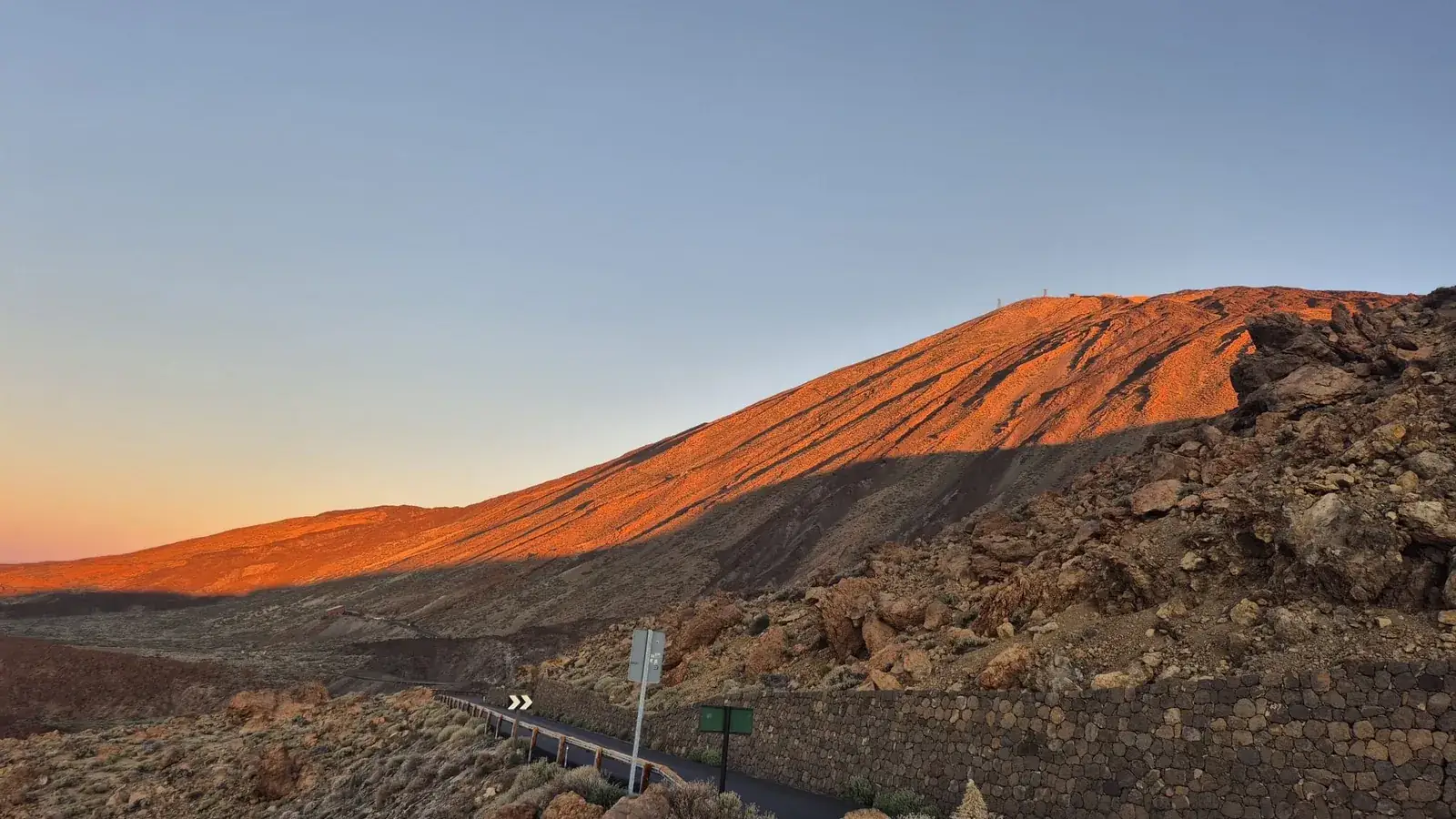
A useful road trip journal gives each memorable stop one photo, one location and one line, then uses a simple road log to connect the stops. Set up both templates before leaving so a passenger can record the trip in minutes and a solo driver can fill them in only after parking.
The days are long, the evenings are short, and half of what happened was at a gas station whose name you never knew. By the end of the week, the drive between the second and third motel can disappear entirely. Treat the overlook, diner, detour and town you only meant to drive through as the units of the story instead.
How do you set up a road trip journal?
Create one note or notebook for the trip. Put the route log on the first page, then copy this block for each stop:
STOP — DATE AND TIME — PLACE OR ROAD — PHOTO — ONE LINE — KEEP OR SKIP
The "keep or skip" field is for one physical item worth saving: a ferry ticket, park map or diner card. Write skip freely; the journal does not need paper from every stop.
Before departure, give the journal a name that identifies the route or occasion, such as Olympic Peninsula Loop or First Drive to Maine. Add the planned start and finish, then leave the actual route blank until you drive it.
Should you make one entry per stop or per day?
Use one entry per stop when the road itself is the point of the trip. Each time the car stops for something memorable, record:
- One photo from the stop.
- The place: town, road or landmark, whatever you'd use to find it again.
- One line: what you did there or why you stopped.
"Pulled off for a sign that said PIE, stayed an hour." That is a complete entry, and reading the entries in order retraces the route.
If one entry per stop is too much, keep one per day and choose the stop that defines it. For the general habit of a short daily entry, see how to start a travel journal.
Who writes a road trip journal, and when?
Make live note-taking a passenger job. The National Highway Traffic Safety Administration classifies any activity that diverts attention from driving as distracted driving, so a driver writes only after pulling over and parking.
- The navigator keeps the log. Whoever has the map writes the line at each stop, or asks the driver for it and types it in.
- Take turns by day. Each passenger owns one day's entries. You get different voices in the same journal.
- Do the photo at the stop, the line in the car. A passenger can write once the car is moving again and ask, "What was the best part of that?"
- Catch up at the motel. If the car was loud or someone slept, scroll the day's photos at night and write one line for each stop.
- Driving alone: add a stop to the journal only when parked. Save the place in your maps app or take the photo while stopped, then write the line at lunch or after checking in.
What should a road trip log include?
A road log keeps the facts separate from the stories. Copy this header into the first page of the notebook or a note on your phone:
DATE — START — END — ODOMETER START — ODOMETER END — SLEPT — BEST BITE
Add one row after parking for the night. The difference between the two odometer readings gives you the day's distance without reconstructing the route later. If you do not care about mileage, drop those two fields.
Record:
- the date;
- where you started and where you ended;
- the miles, from the trip odometer;
- where you slept;
- the best thing you ate.
Add fuel stops or prices only if you know you will compare them later. A field you never use is just another reason to stop keeping the log.
What can you record between the big stops?
The drive itself is most of a road trip. These capture it without much effort:
- The view out the windshield. Take one photo at the same moment each day, for example the first mile after breakfast. Ten of them in a row show how the land changed.
- Road signs. Odd town names, mileage signs to places you've heard of, the sign welcoming you to a new state. They're an instant record of where you were.
- The song of the day. Save whatever everyone sang along to in a playlist named after the trip, in the order you heard it.
- The car itself. The dashboard with the map on the screen, the snacks on the floor, the cooler, the bug-covered windshield. You'll forget the inside of the car long before the views.
- Overheard lines. Write down what people say in the car. The kid's question about cows, the argument about directions.
- A border photo. One at every state line, or every county line if you're in no hurry.
What should you keep from a road trip?
Road trips leave a lot of paper behind if you catch it: motel key card sleeves, diner receipts, a park entrance pass, a ferry ticket, a brochure from a visitor center, a postcard from a gas station rack. Keep one envelope or zip bag in the glove box and put everything in as you go. At night, write the date on the back of anything that doesn't have one.
When you're home, choose one item per stop and tape it into the journal next to the entry, or put them in a box with the printed photos. Our guide to what to do with old ticket stubs has ways to sort and display them, and travel keepsake ideas covers the rest of what is worth bringing home.
How do you add the route to the journal?
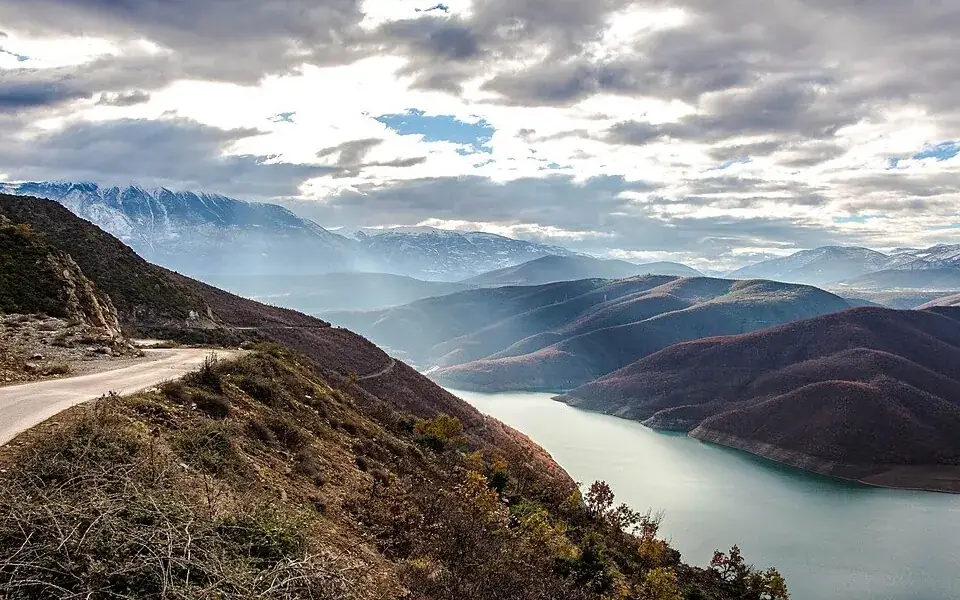
A route map is the simplest road trip keepsake there is. Two easy ways to make one:
- On paper. Print a plain outline map of the region, or buy a road map at the first gas station. Each evening, trace that day's drive and write the date and the overnight town next to it.
- On your phone. Save each journal stop to a list in your maps app, named after the trip. Keep an overnight town in the list even if it has no photo, so the path still makes sense.
If you cannot place a photo later, use the date and time to compare it with that day's map list, receipts and road log. Write the broadest location you can confirm rather than guessing a town.
What should you write when nothing comes to mind?
When nobody knows what to write, one of these usually works:
- Why did we stop here?
- What would we tell someone driving this road next week?
- What's the one thing here we didn't expect?
- What did we eat, and would we order it again?
- Who would we bring back here?
For more, our list of travel journal prompts has 60 questions sorted by day of the trip.
How can each stop become a keepsake ticket?
Memory Tickets turns one photo into a ticket with a title, place, date and one line, then collects the tickets by month. It is free on iPhone, needs no account, works offline and keeps the photos on the phone.
Use one ticket for each journal stop, or one for the defining stop of each day.

How do you finish the road trip journal at home?
- Read the entries in order within a week, and fill in any stop you skipped.
- Add only useful totals: days, miles, states or provinces, and overnight stops.
- Pick one photo per day for a small print or a page in an album.
- Send the route to everyone who came, with the line from each stop.
A finished road trip journal
The finished journal needs only the stop entries, the road log and the route. Put the paper envelope beside it, add the final mileage from the odometer, and leave the blank stretches blank; they were part of the drive too.